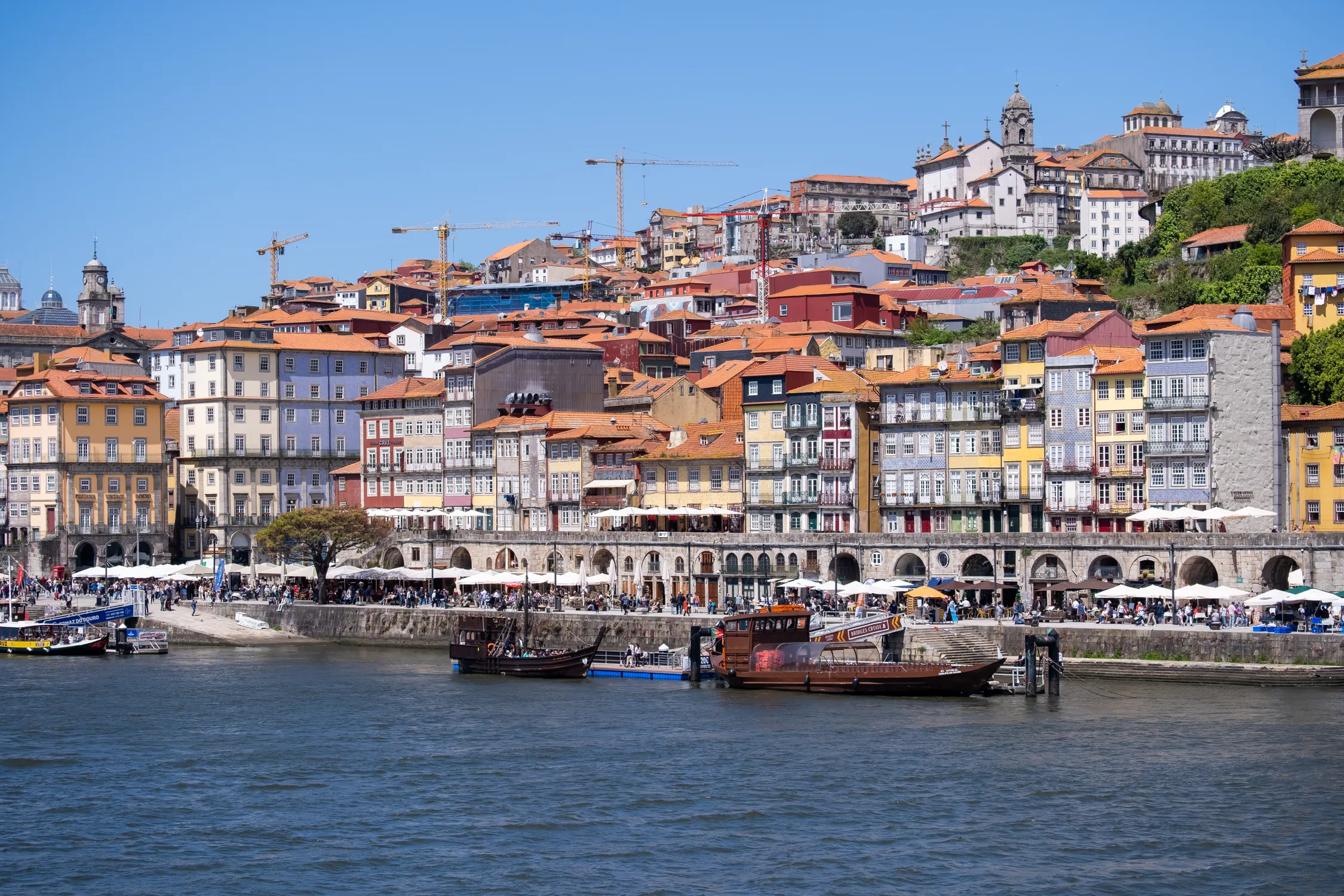
Ribeira District
This historic riverfront area in Porto features narrow cobblestone streets and colorful merchant houses. It serves as the primary gateway for river activities.
Walk the lower deck of the Dom Luís I Bridge for views.

Porto rewards slow exploration—its azulejo-clad churches, riverside cafés, and six bridges demand time. The Douro Valley, carved into steep hillsides 100 kilometers upstream, adds wine estates, river cruises, and villages accessible only by narrow roads. This guide answers how many days in Porto and Douro Valley you need to see both without backtracking or skipping the region's signature experiences.
Quick answer
Allocate 4-5 days minimum for Porto and the Douro Valley. Spend two full days in Porto to cover Ribeira, São Bento station, and a port wine lodge tour in Vila Nova de Gaia. Reserve two days in the Douro for a river cruise or scenic train ride, at least one quinta visit, and the Pinhão or Peso da Régua viewpoints. A fifth day allows flexibility for spontaneous tastings or the slower back-road route through the Alto Douro Wine Region.
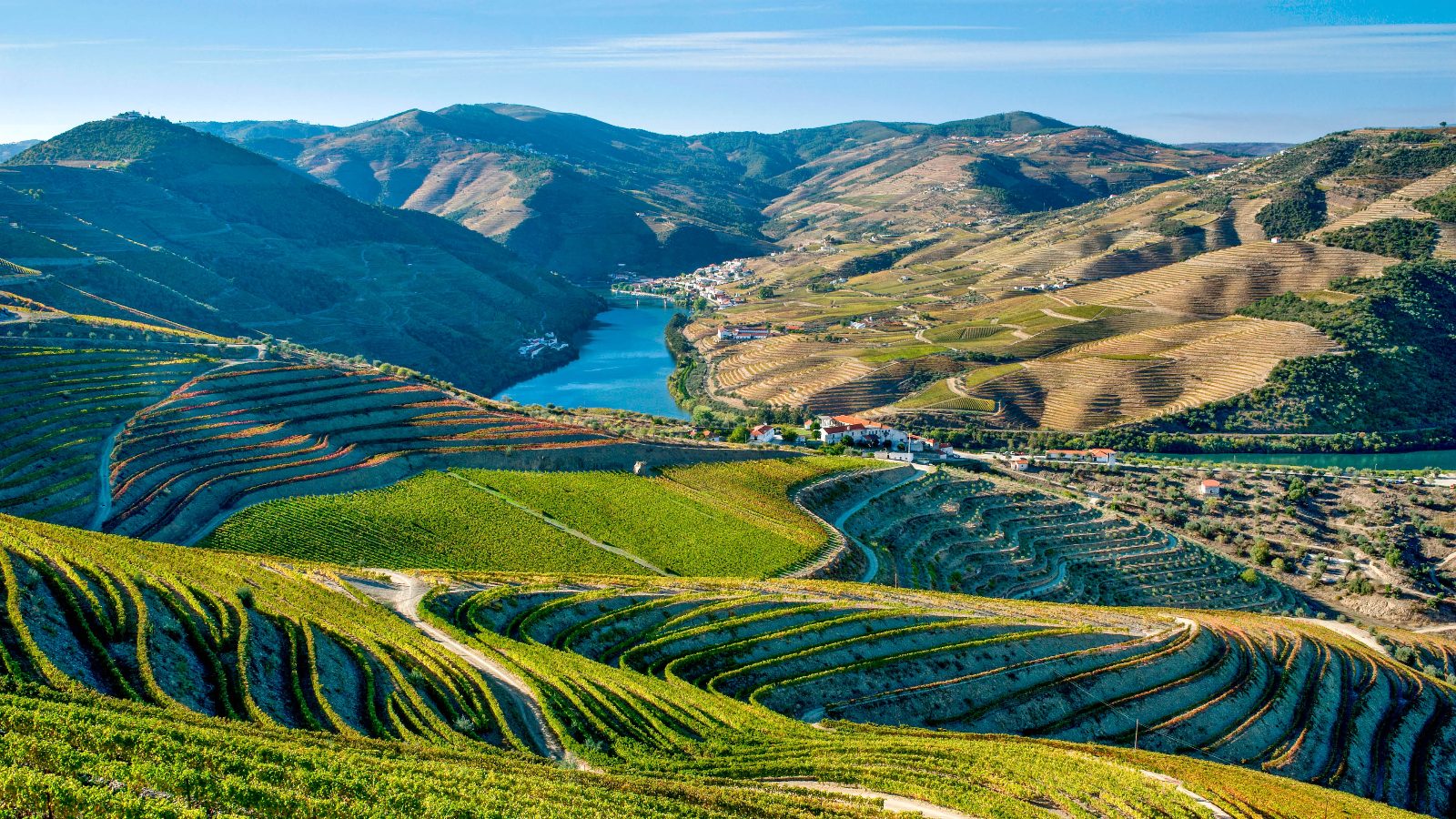
The Douro River runs 897 kilometers from Spain to the Atlantic, but the 120-kilometer stretch between Porto and the Spanish border holds UNESCO-protected terraces that have produced wine since Roman occupation. Most visitors underestimate the distance: Pinhão, the valley's postcard village, sits 125 kilometers and two hours by car from Porto's city center, and the winding N222 road—often cited as one of Europe's most scenic drives—adds another 30 minutes to any east-west crossing. Porto itself divides into distinct neighborhoods that each justify half a day. The Ribeira district along the Douro's north bank contains medieval lanes too narrow for buses, forcing you to walk. Across the river, Vila Nova de Gaia's hillside port lodges offer cellar tours that run 60-90 minutes and require advance booking during harvest season. The Bolhão market, Clérigos Tower, and Livraria Lello bookshop cluster within a 15-minute walk but operate on staggered schedules—visiting all three in sequence consumes a morning. Travelers who allocate only one day to Porto typically skip either the riverside or the upper city, missing half the context. The Douro Valley operates on a different clock. Quintas open for tastings between 10:00 and 18:00, but many close for lunch from 13:00 to 15:00, and the best estates require reservations 48 hours ahead. The historic Linha do Douro railway from Porto to Pocinho takes three hours one-way and runs only twice daily in each direction outside summer months. River cruises from Pinhão or Régua last two to six hours depending on the route, and most depart before 11:00. The valley's geography—terraces rising 400 meters above the river—means viewpoints like São Leonardo de Galafura or Casal de Loivos involve 20-minute climbs on foot or by car from the valley floor. Allocating time in Porto and Douro Valley means accounting for transitions. The drive from Porto to Pinhão consumes half a morning; returning the same day leaves only three to four hours in wine country. Staying overnight in the valley unlocks sunrise over the terraces and dinner at a quinta, but requires packing and checking out. The regional train offers a middle path—board in Porto at 09:09, arrive in Pinhão at 11:43, and return on the 17:07 departure—but you sacrifice flexibility to explore multiple estates. A five-day trip structures as two nights in Porto, two in the Douro, and a final night back in Porto, with travel days planned around morning or late-afternoon light for photography along the N222.
“The Douro Valley operates on a different clock—quintas close for lunch, river cruises depart before 11:00, and viewpoints require 20-minute climbs from the valley floor.”
A combined Porto and Douro Valley trip works best with 3-4 days: two days exploring Porto's riverside districts and historic center, plus one to two days in the Douro Valley for wine estates and terraced landscapes.
Spend the day walking Porto's Ribeira district, crossing the Dom Luís I Bridge, and visiting port wine cellars in Vila Nova de Gaia. Allow 6-8 hours for a relaxed pace with meal breaks.
Explore the Foz do Douro coastline and the Serralves Museum district in the morning, then return to the city center for evening riverside dining. Budget a full day with 4-5 hours of active sightseeing.
Travel to the Douro Valley (90 minutes from Porto) and visit 2-3 quintas for tastings and cellar tours. Most estates open at 10:00; plan 5-6 hours in the valley before returning or staying overnight.
If staying overnight, spend the morning at viewpoints near Pinhão or take a short river cruise, then drive back to Porto in the afternoon. This extension suits travelers who want deeper immersion in wine country.
The period from April to May and September to October offers the most favorable balance of mild temperatures and moderate visitor numbers. Planning your activities within the best arrival window of 09:00–11:00 helps ensure a more deliberate pace throughout your stay.
Mild, 15°C to 22°C. Ideal for exploring vineyards before the summer peak.
Pleasant, 18°C to 25°C. This window aligns with the grape harvest season.
—
Arriving between 09:00–11:00 avoids mid-day heat and large tour bus crowds at popular viewpoints.
Verdict: Visit during the shoulder months of April, May, September, or October, and prioritize starting your days between 09:00–11:00 to manage visitor density.
The Douro Valley is located in Northern Portugal and is most efficiently accessed from Porto via the regional train line or by driving along the N222 road. Choosing your mode of transport impacts how much time you should allocate for transit within your overall visit.
Linha do Douro from Porto-São Bento to Pinhão
A4 motorway and N222 road from Porto
Douro River cruises from Porto Cais da Estiva
Plan your travel for the best arrival window of 09:00–11:00 to avoid mid-day heat and large tour bus crowds at popular viewpoints. Refer to the official site at https://www.visitportugal.com/en/destinos/norte/73778 for additional regional transit guidance.
Selecting specific locations in Porto and the Douro Valley helps determine the time required for your visit. Prioritizing these sites allows for a balanced pace between urban exploration and regional touring.
This historic riverfront area in Porto features narrow cobblestone streets and colorful merchant houses. It serves as the primary gateway for river activities.
Walk the lower deck of the Dom Luís I Bridge for views.
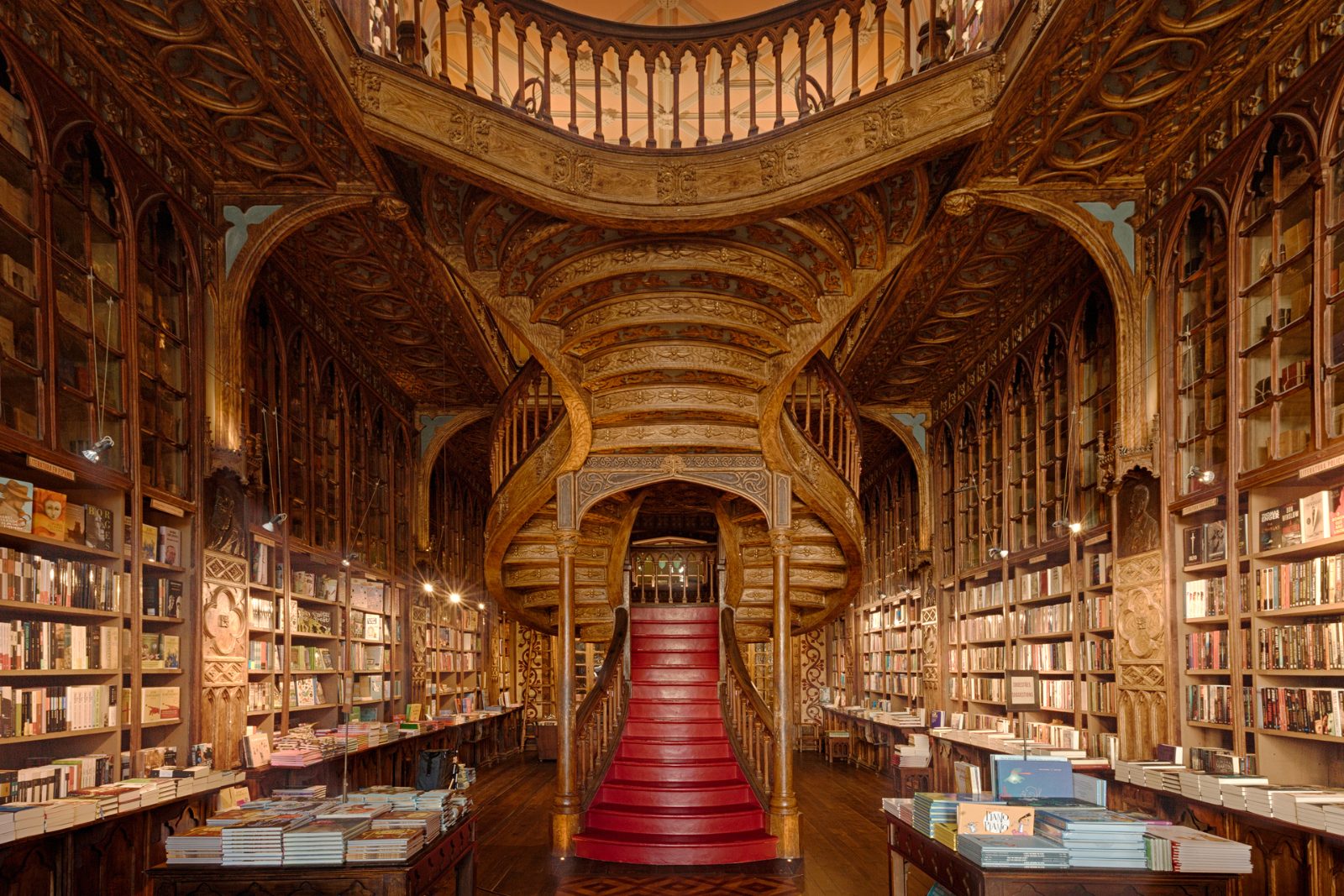
A neo-Gothic bookstore in Porto recognized for its intricate wooden staircase and stained glass ceiling. It represents a significant example of early 20th-century architecture.
Arrive early to navigate the interior space before peak hours.
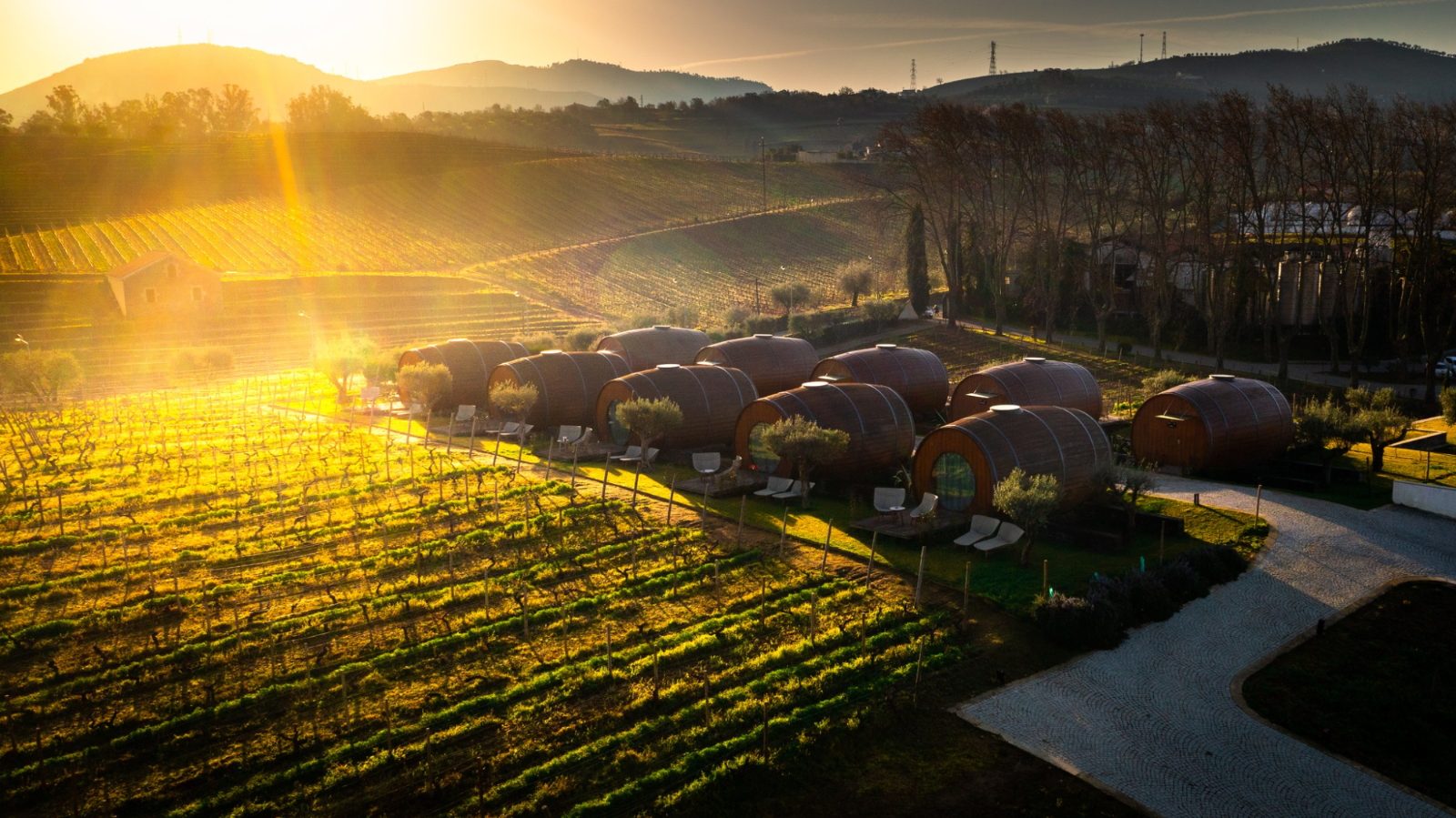
One of the oldest estates in the Douro Valley, known for its extensive vineyards and historical wine production. It offers a clear look at the region's agricultural heritage.
Book a vineyard walk during the best arrival window.
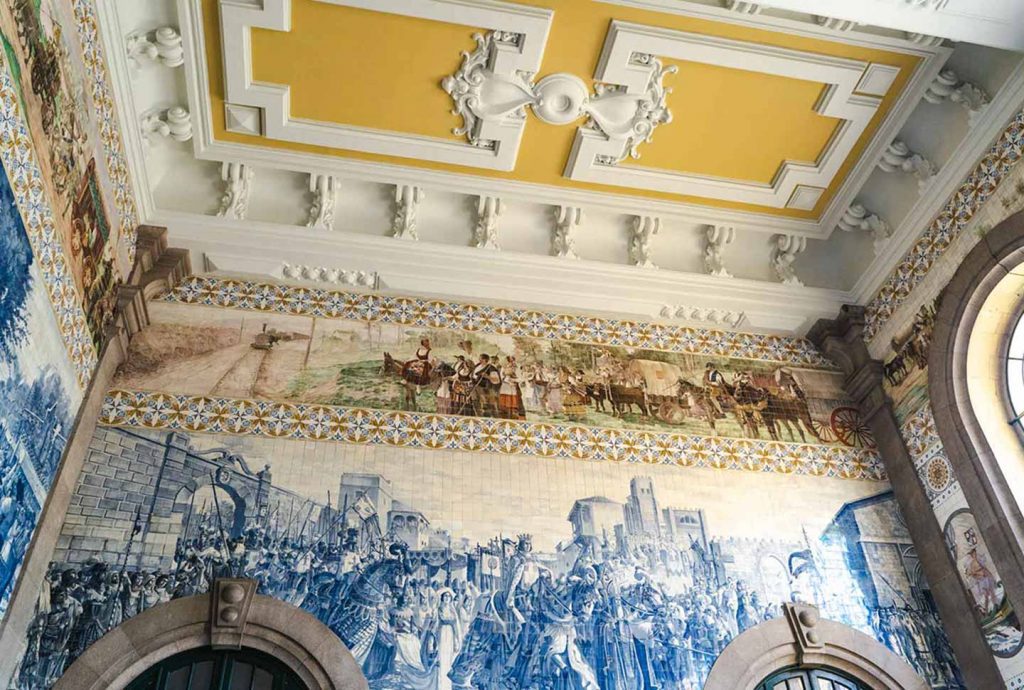
This transit hub is famous for its vast interior walls covered in hand-painted azulejo tiles depicting Portuguese history. It is a central point for regional rail connections.
Observe the tile details on the upper balcony level.
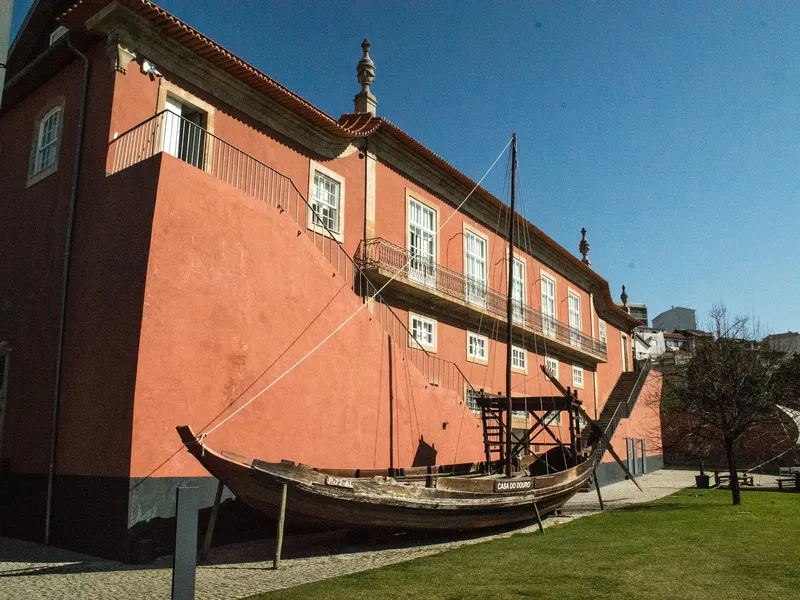
Located in Peso da Régua, this institution documents the cultural and viticultural history of the Douro River region. It provides context for the landscapes seen throughout the valley.
Focus on the permanent exhibition regarding winemaking evolution.
The Douro Valley region is open to the public without a general admission charge. Individual costs depend entirely on the specific attractions, museums, or private estates you choose to enter.
Verdict: Most visitors pay 0 EUR for regional access, with additional costs occurring only when choosing to enter specific paid attractions.
Everything you need to know about how many days in porto and douro valley
For a comprehensive experience, travelers often wonder how many days in porto and douro valley to allocate, with three to four days being the standard recommendation to cover both urban landmarks and the terraced vineyards. This timeframe allows you to balance city exploration with the scenic beauty of the river landscapes.
A single day trip is feasible if your itinerary is limited, but it requires prioritizing either the city center or a specific wine estate. Deciding how many days in porto and douro valley to spend depends on whether you prefer a quick overview or an immersive cultural experience.
The best arrival window for visiting regional attractions is between 09:00 and 11:00. This early start helps you avoid the mid-day heat and large tour bus crowds that often gather at popular viewpoints later in the day.
Entrance to the Douro River region itself is free, meaning there is no general admission charge for the area. Keep in mind that individual vineyards, museums, or boat operators may charge fees for their specific services.
A wine-focused excursion typically benefits from a full day dedicated to the valley, allowing time for tastings and scenic travel. When considering how many days in porto and douro valley are needed for wine lovers, extending your stay by an extra day ensures a less rushed schedule.
The Douro Valley region is accessible daily from 00:00 to 23:59. While the region is open at all times, individual attractions within the valley operate on their own specific schedules.
Allocating four or more days provides the flexibility to explore the historic district and the river valley without fatigue. Planning how many days in porto and douro valley to reserve for your trip ensures you can enjoy regional gastronomy and port wine at a leisurely pace.
The most common mistake is underestimating travel time between the coastal city and the inland valley. Ensure you check transport logistics carefully to make the most of your visit, regardless of your total stay duration.