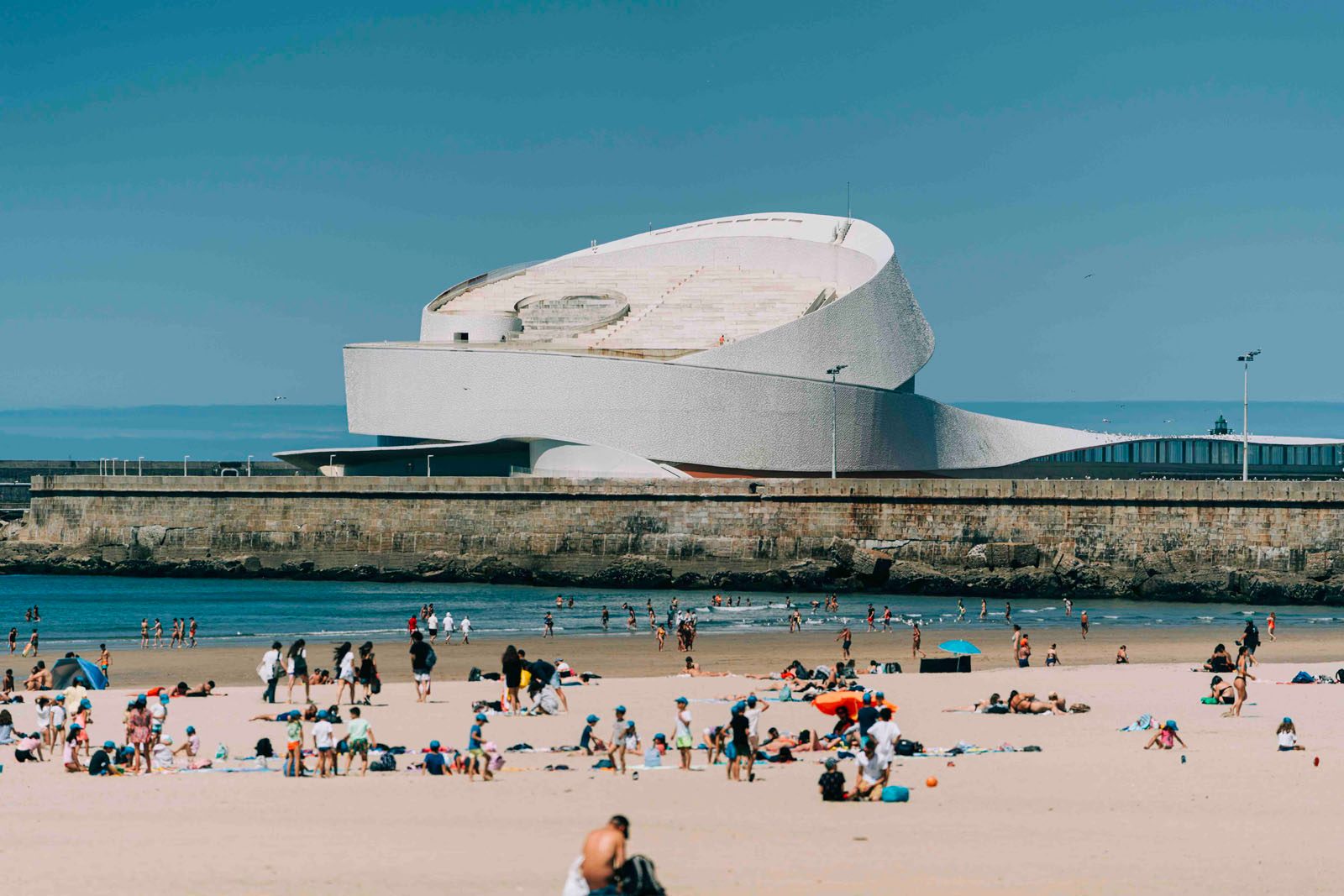
Matosinhos Beach
15 min walk
This sandy stretch is accessible directly from the cruise terminal, offering a space for coastal walks and proximity to local fish restaurants.
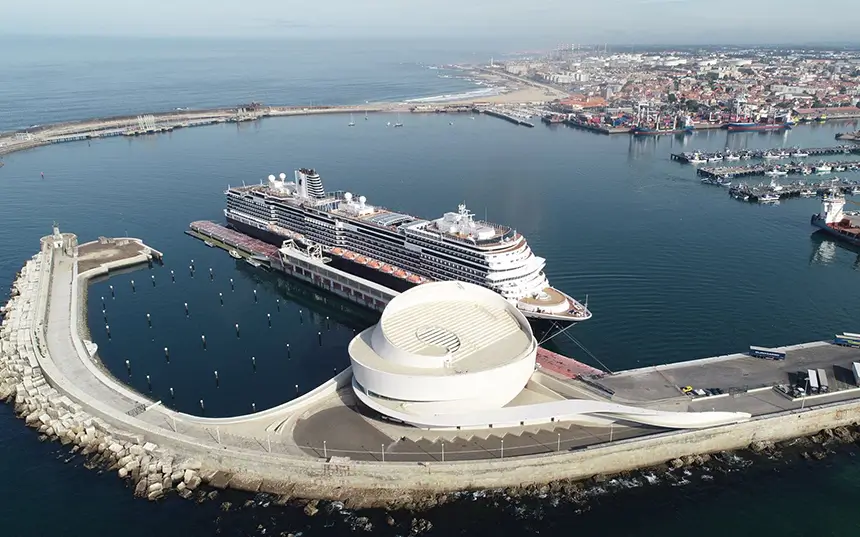
Cruise ships calling at Porto dock eight kilometers north of the city center at a dedicated facility in Matosinhos. The port operates year-round as Portugal's second-busiest cruise gateway, handling vessels from all major Atlantic and Mediterranean lines. Transfer options and terminal facilities shape the first hours of most shore excursions.
Quick answer
Cruise ships dock at Leixões Cruise Terminal in Matosinhos, located at Mole Norte, 4450-208 Matosinhos, Portugal—approximately 8 kilometers north of Porto's historic Ribeira district. The terminal serves ocean-going vessels that cannot navigate the shallow Douro River channel. Most ships berth at the North Mole pier, where passengers clear a dedicated cruise facility before transferring to Porto via shuttle, taxi, or public transit.
Leixões handles more than one hundred cruise calls each season, yet the terminal itself occupies a working cargo port rather than a purpose-built passenger complex. Ships tie up along the North Mole quay, a 400-meter concrete pier exposed to open Atlantic swells when westerly winds blow. The cruise pavilion at the pier's base processes disembarkation through a single-story hall equipped with currency exchange, tourist information desks, and a small duty-free shop. Guided tours of the terminal facility itself run on Sunday mornings for visitors curious about port operations, but most cruise passengers move directly to ground transport. Porto cruise port geography confuses first-time visitors because the Douro River—the city's defining waterway—plays no role in ocean ship traffic. The river's mouth sits shallow and bridged, accessible only to the traditional rabelo boats and small river cruise vessels that dock at the Gaia and Ribeira quays in the city center. Ocean liners require deep-water berths and open maneuvering room, which Leixões provides in a sheltered bay north of the Douro estuary. This separation means cruise passengers face a mandatory transfer segment before reaching Porto's historic core. Transfer logistics vary by cruise line. Most operators arrange dedicated shuttle buses that run a continuous loop between the terminal and downtown drop points near São Bento station or Avenida dos Aliados. Independent travelers find metered taxis outside the terminal gate or walk 600 meters east to the Matosinhos Sul Metro station, where the blue line connects to central Porto in twenty-five minutes. The terminal's phone line, +351229996400, fields questions about berth assignments and transport coordination. Shore excursion timing builds in the eight-kilometer buffer, typically scheduling departures thirty to forty-five minutes after all-aboard times to account for the return commute. Where do cruise ships dock in Porto Portugal ultimately matters because it sets the rhythm of a port day. Early disembarkation and efficient transfers maximize time in the Ribeira, Bolhão, and Foz districts. Late sleepers forfeit an hour to logistics. The terminal's official site, cruzeiros.apdl.pt, publishes the daily berth schedule and updates weather-related delays during winter Atlantic crossings.
“Ocean liners require deep-water berths and open maneuvering room, which Leixões provides in a sheltered bay north of the Douro estuary.”
Cruise ships visiting Porto dock at the Leixões Cruise Terminal in Matosinhos, located approximately 10 kilometers north of the Porto city center. Large ocean-going vessels cannot navigate the Douro River to the historic Ribeira district; instead, passengers transit from Matosinhos to the city center via metro, bus, or taxi.
Line A (Blue) to Matosinhos Sul station
STCP Line 500 or 507 to Matosinhos
Via A28 or VCI highway
The terminal is located at Mole Norte, 4450-208 Matosinhos, Portugal. When arriving by taxi or car, ensure the driver navigates to the cruise terminal entrance rather than the commercial cargo port gates.
The Leixões Cruise Terminal is open to visitors exclusively on Sundays. Please plan your visit according to this weekly schedule.
The optimal time to arrive at the Leixões Cruise Terminal is during the Sunday morning window. Planning your arrival within this specific timeframe ensures you align with the fixed-start guided tours.
—
Arrive between 09:30 and 12:00 to ensure access for scheduled guided tours. Gate entry strictly closes at 12:00.
Mild, 15°C to 20°C
Expect increased activity at the terminal as seasonal cruise traffic peaks. Book ahead to secure your guided tour slot.
Mild, 16°C to 22°C
Porto experiences heavy cruise traffic during these months, mirroring the busy spring season. Early Sunday arrival remains the priority for terminal access.
Verdict: The best arrival window is Sunday morning between 09:30 and 12:00, particularly during the spring or autumn months when cruise activity is highest.
The Matosinhos cruise area provides access to both coastal leisure activities and significant architectural landmarks. These locations pair well with a port stop by offering a mix of local heritage and maritime atmosphere within short reach of the terminal.
15 min walk
This sandy stretch is accessible directly from the cruise terminal, offering a space for coastal walks and proximity to local fish restaurants.
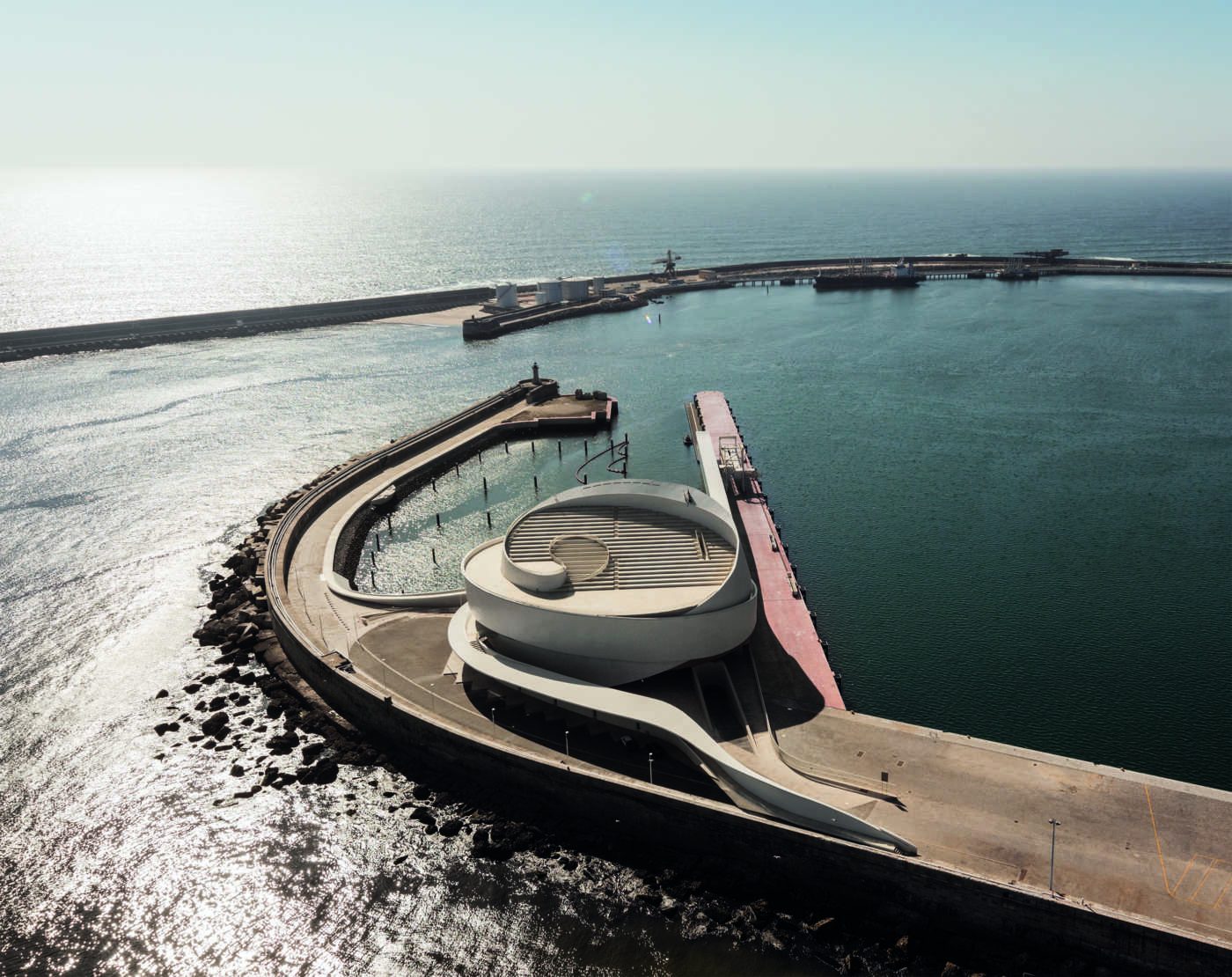
On-site
The terminal building itself features a distinctive curved design by architect Luís Pedro Silva, providing a clear example of contemporary Portuguese architecture.
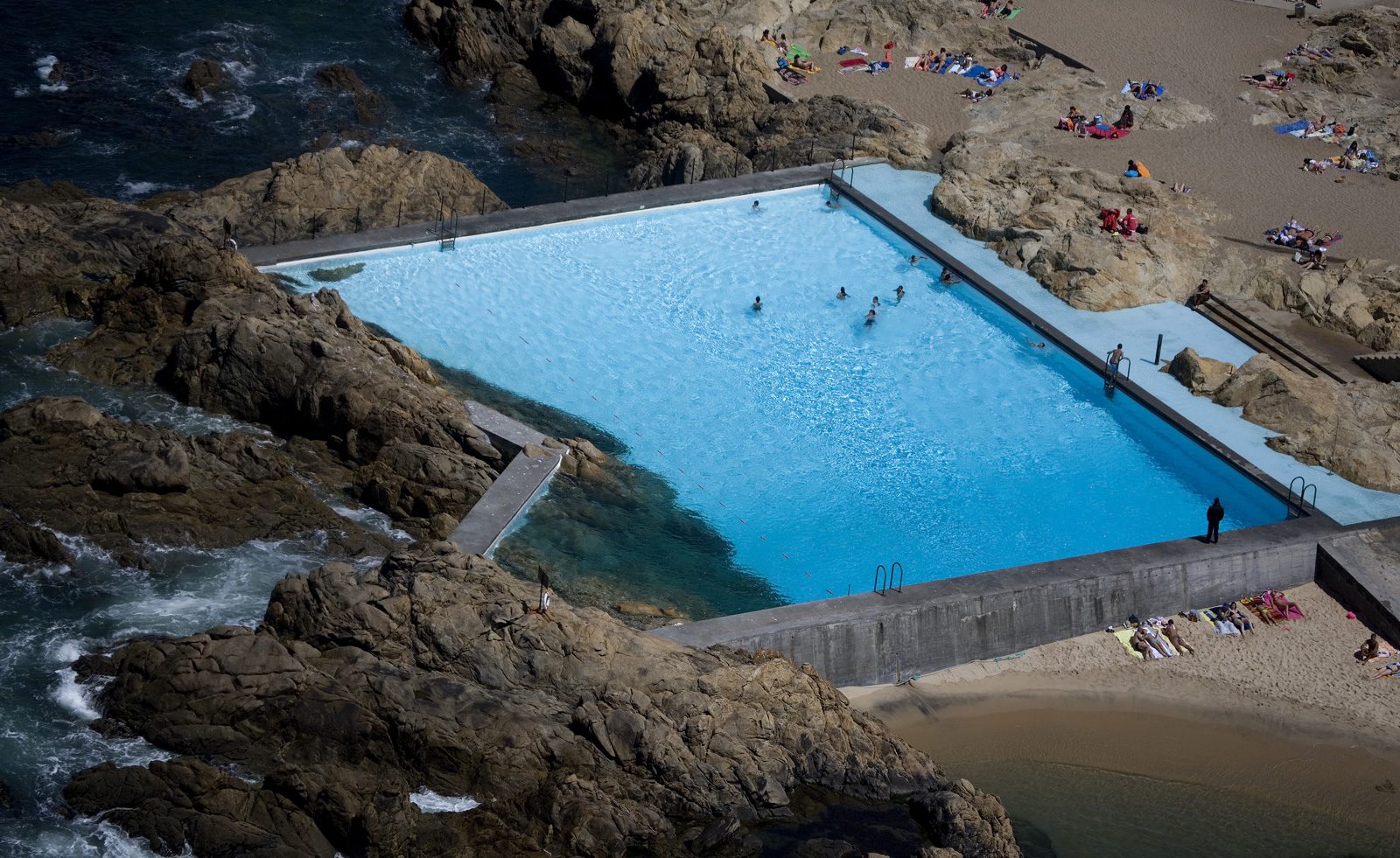
25 min walk
Designed by architect Álvaro Siza Vieira, these seawater pools are integrated into the rocky coastline, showcasing local modern design integrated with the natural environment.
Everything you need to know about where do cruise ships dock in porto portugal
Large cruise ships dock at the Leixões Cruise Terminal in Matosinhos, located just north of the city center. This modern facility serves as the primary gateway for maritime traffic in the region. Smaller river vessels often navigate the Douro River, but ocean-going ships remain at this specific terminal. You can explore the architectural significance of this maritime landmark by planning your visit accordingly.
No, the Douro River itself is primarily used by smaller river cruise boats and traditional rabelo boats. Large ocean-going cruise ships are unable to navigate the river due to its depth and the height of bridges. These vessels use the deep-water facilities at the Leixões Cruise Terminal instead.
The terminal is situated at Mole Norte in Matosinhos. You can access it via local transit or taxi services, which connect the coast to the heart of the city. Detailed transport options are available in our logistics guide to ensure you reach the port efficiently.
Visitors interested in guided tours should head to the Leixões Cruise Terminal in Matosinhos. This location provides access to guided experiences that highlight the terminal's unique design and maritime history. Please refer to our dedicated tour section for booking details.
General admission for a guided tour at the Leixões Cruise Terminal is 5 EUR. This fee provides entry to the designated visitor areas and tour paths. Tickets can be arranged through the official portal to facilitate your arrival.
The terminal is open exclusively on Sundays from 09:30 to 13:00. It remains closed to the public from Monday through Saturday. Please plan your visit to align with these specific operating hours.
The best arrival window is 09:30 to 12:00. Gate entry closes promptly at 12:00, and guided tours operate on fixed schedules during this timeframe.
International ocean liners dock at the Leixões Cruise Terminal, which is the main harbor for the Porto metropolitan area. This port terminal is equipped to handle international passengers and provides seamless logistical support. It stands as the primary maritime point of entry for the region.
Leixões is the only major port facility for large-scale international cruise ships in the Porto area. While smaller vessels may be seen along the riverbanks, all major cruise ship operations are centralized at the Matosinhos facility.